Full Automation

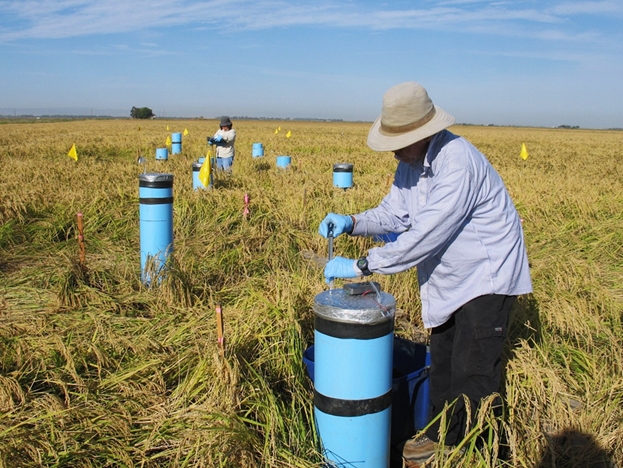
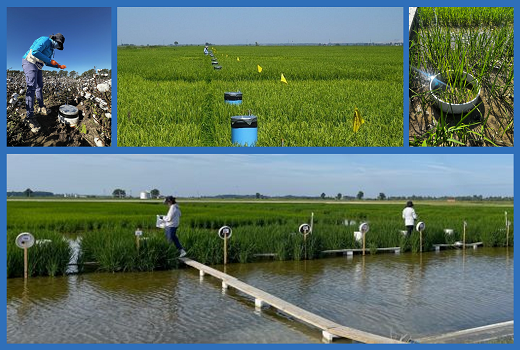
DASIG computational modules support scientists through all phases of greenhouse gas emission measurement, analysis, and reporting.

Accessible

DASIG provides convenient methods to reduce the workload related to trace gas analysis and emission flux calculations.

QUALITY ASSURANCE

DASIG implements state-of-the-art methods to ensure quality control and statistically sound quality assessments.

Extensible

Rapid software development technologies allow the introduction of new capabilities programmed in cooperation with end users.

Capacity Building

DASIG developers are deeply committed to building scientific capacity related to greenhouse gas emissions in agriculture.

CUSTOMIZABLE

DASIG’s modular design allows the development of customizable solutions that suit your lab.

Do you want to see more?

Check out what else our research group is doing.

Check other homepages

From our news

We continue to work on software and methodologies that faciliate greenhouse gas emission measurement and analysis. We are committed to provide the research community easy to use tools to improve the quality of GHG data in agriculture. These are some recent updates regarding our software:

Release 1.0.1

on January 22, 2026

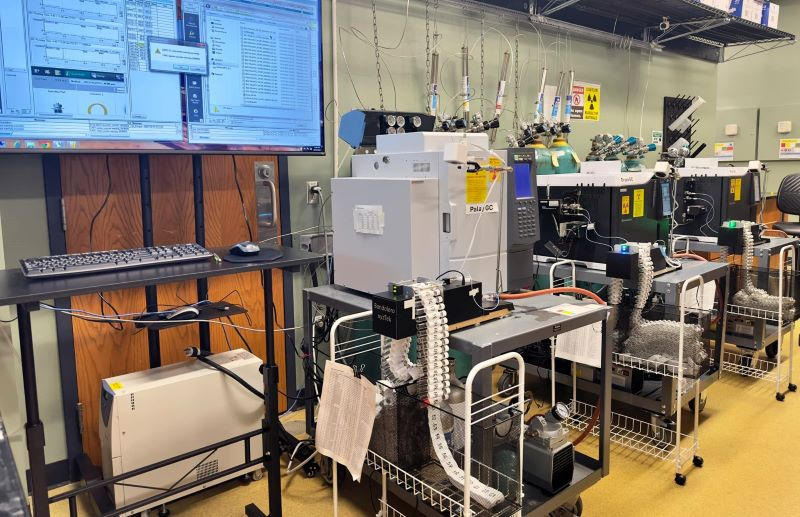
A new version of DASIG will be released soon. It adds new capabilities to manage trace gas analysis and facilitate the processing of gas chromatographs (GCs) outputs. The new version will directly support Shimadzu GCs models 2014 and 2030. Other instruments may be supported in the future. If you have questions, feel free to e-mail us at info@dasig.science.

Continue reading

Initial Release

on January 21, 2026

DASIG 1.0.0.4 is available to download from the Global Research Alliance on Agricultural Greenhouse Gases.

Please fill out the download form to download the DASIG software.

This software release includes two submodels:

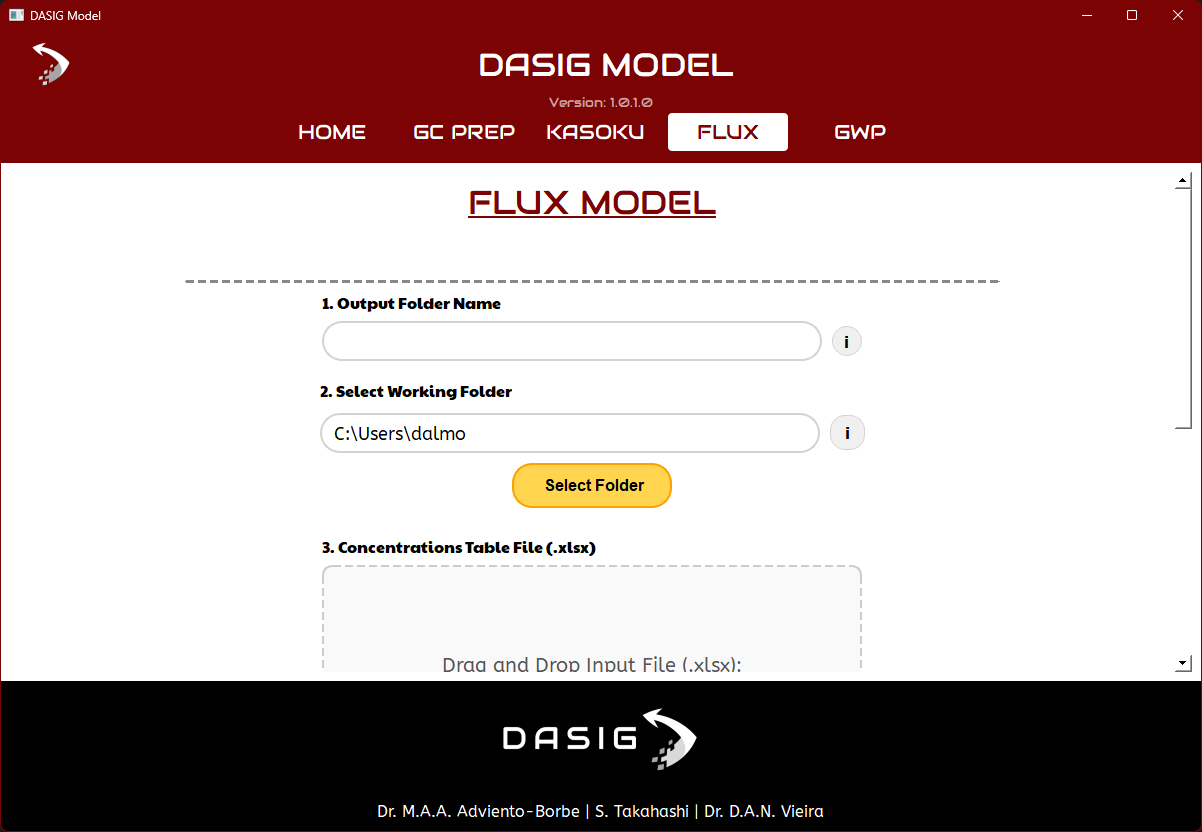
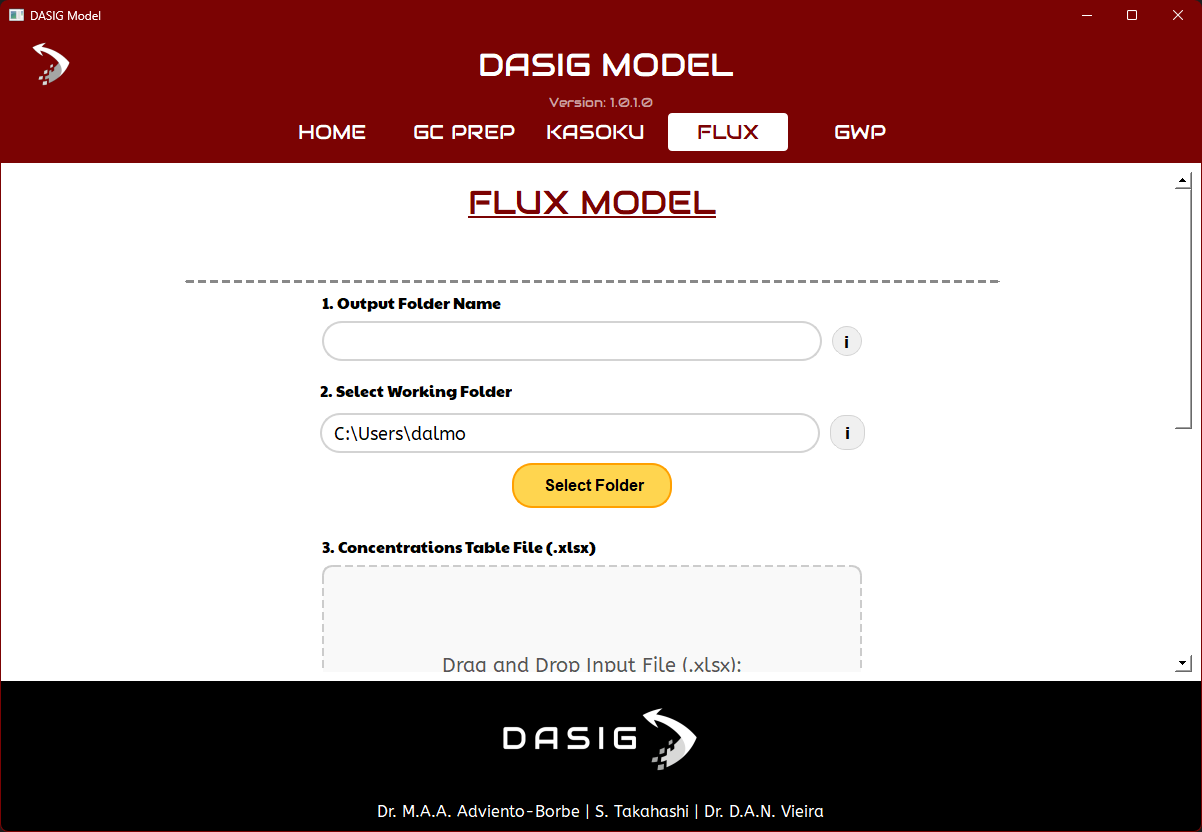
Dasig-Flux, which processes data files containing a time series of GHG concentrations determined through trace gas analyzer and calculates gas fluxes using linear and non-linear equations.

The Dasig-GWP Global Warming Potential model estimates the climate impact of CO₂, CH₄, and N₂O from cropland using data generated by the Dasig-Flux module. It calculates daily, cumulative, and total GHG emissions for given crop growth periods or annual cycles. Emissions are reported in terms of CO₂ equivalents (CO₂-eq)

Continue reading